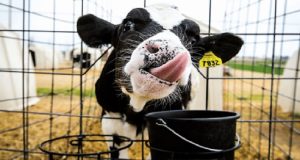


The term “invalid cow” refers to cows that are very sick, thin or injured and cannot stand or walk.
Although we would like to prevent cows from suffering from this disease as much as possible, every
dairy farming unit will eventually face it.
Introduction:
Invalid cows require special care to restore their health and, if necessary, be euthanized humanely. The
invalid of cows is the unfortunate result of some diseases and injuries.
The term ” invalided” refers to cows that are very sick, emaciated or injured and are unable to stand or
walk. The comfort of invalided cattle when moving has become an important issue in the United States
and around the world.
Why cows get stuck:
The most common reason for dairy cows to be invalid ed is milk fever. Most cows are immediately
treated with calcium injections and regain their health, but some do not. If the invalid ding of the cow is
not detected quickly, the damage to its muscles will be severe and the cow will not be able to stand.
Another metabolic reason for cows to be invalid ed is lack of magnesium and grass tetany, which is
mostly seen in herds that graze in green and growing pastures, especially in early spring.
Another reason for cows getting stuck on the invalid is trauma and other injuries. Parturition paralysis
occurs immediately after the birth of a large calf that damages the nerve of the hind legs by passing
through the pelvis. Also, during childbirth, they may have fractures or bone complications. Damage to
the spine and nerves is the result of cows jumping on other cows and vice.
Regardless of the cause of the invaliding, the probability of a cow standing after 24 hours or more is very
low. The muscles of the legs that are stuck on the invalid are severely damaged after several hours. In
this condition, the muscles receive a normal amount of blood from the artery that directs the blood
from the heart to the tissues, but the amount of blood returned from the muscles to the vein is low.
When the amount of blood flow in the veins is greatly reduced, the blood pressure inside the muscles
increases, in fact, the muscles cannot adapt to the change in pressure, and as a result, the cells die. It is
not unusual to see hard amas in cases where the cow has been stuck on the invalid for several days. This
type of injury to the hind legs is called compartment syndrome.
In a research study, 16 healthy cows were anesthetized and placed on their sides for 6 to 12 hours. After
regaining consciousness, only 8 out of 16 cows returned to their normal state. It was found that the
muscles of the hind legs of 8 other cows were severely damaged. Because cows are very heavy, if they
lie on their muscles for a long time and do not move, it takes a long time for the blood flow in the
muscles to return to normal.
Humanely manage stranded cattle
In general, when newborn cows are stuck on the invalid, we suspect milk fever and treat them with
calcium. However, if the cow does not rise within a few days, it should be examined to make sure there
is no other problem. Usually, when a cow falls to the invalid in the final stage of lactation, we assume
that it is injured or sick. It is very important that invalid ed cattle are examined as carefully as possible.
If the cow has a treatable disease such as a fracture or infection, it should be treated quickly and forced
to stand. It is very unlikely that the cow will be able to stand up again within 24 hours after treatment.
On hard surfaces like concrete, rest assured that irreversible muscle damage will occur quickly.
The best surface to place invalid cows is a deep sandy bed because they are soft and the cows are in
good condition. The next priority is deep straw beds, both in the stands and on the compacted bed.
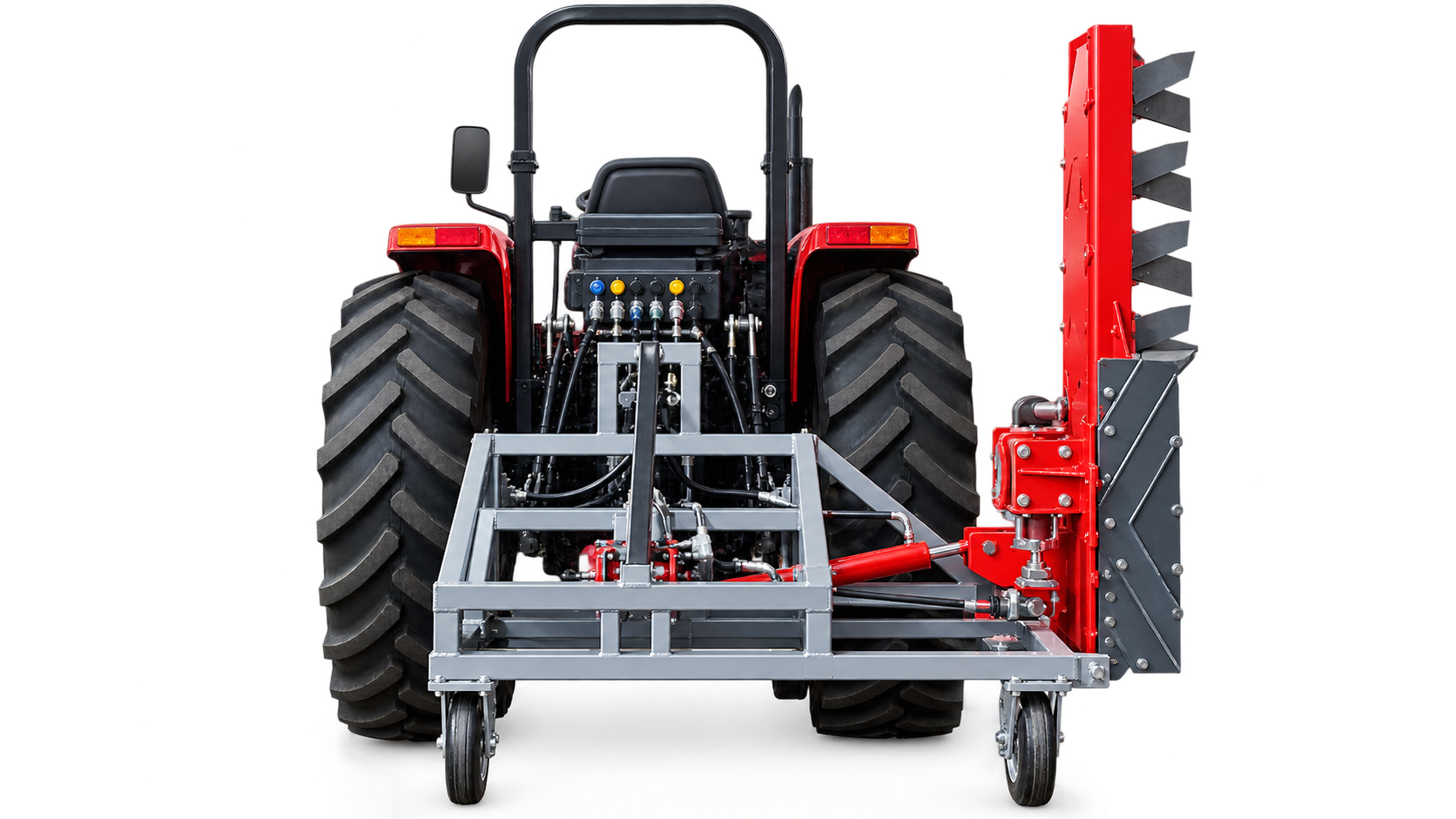
Moving disabled cattle is very difficult and should be done as humanely as possible. Cows can be lifted
and moved slowly using equipment such as a lifting box for invalid cows and hip jacks made for invalid
ed cows. As soon as the cow can stand on its front legs, you can use the hip jack that helps the cow to
stand on its feet. Big belts or belly bands can also help the cow to stand up. This is the best way to lift a
invalid cow without putting pressure on the injured muscles.
The total result:
Stalled cattle should be examined daily for any changes in standing ability. The probability of recovery of
stuck cows is very low if no change in their movement condition is seen within 3 to 4 days after being
moved to a place with a suitable condition. It is less common for disabled cows to get up after a week or
so. As cows become depressed, they stop eating, lose body score, develop superficial sores on their legs,
and generally These are recommended for slaughter.

Articles
HSE
HSE Health, Safety and Environment (HSE) consists of three words: Health, Safety and Environment. Important points in the form: 1- Spraying should be done on